Research
Our research aim is to understand cognition and behavior in healthy participants and how they are changed in neurological diseases. Therefore, we identify mechanisms of communication and network dynamics within the human brain. For this aim, our lab uses magnetoencephalography (MEG) and electroencephalography (EEG) to investigate brain function non-invasively. We combine these recordings with invasive LFP recordings in patients.
Deep Brain Stimulation in Parkinson’s Disease
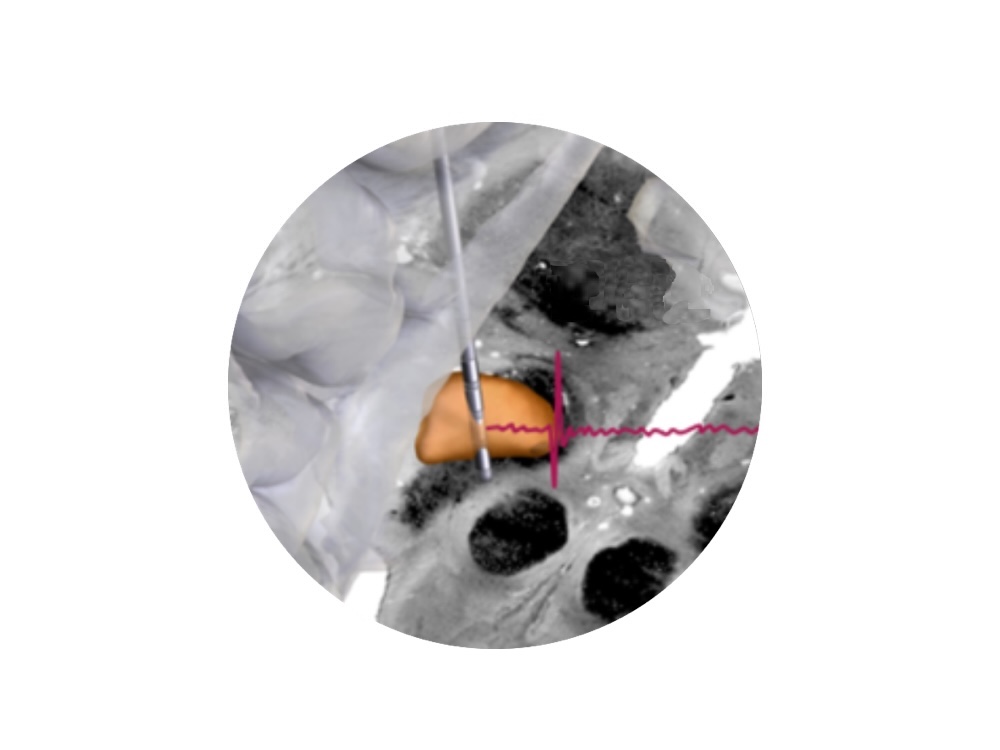
While deep brain stimulation (DBS) is a successful symptomatic treatment of Parkinson’s disease, its mechanisms are still not understood.
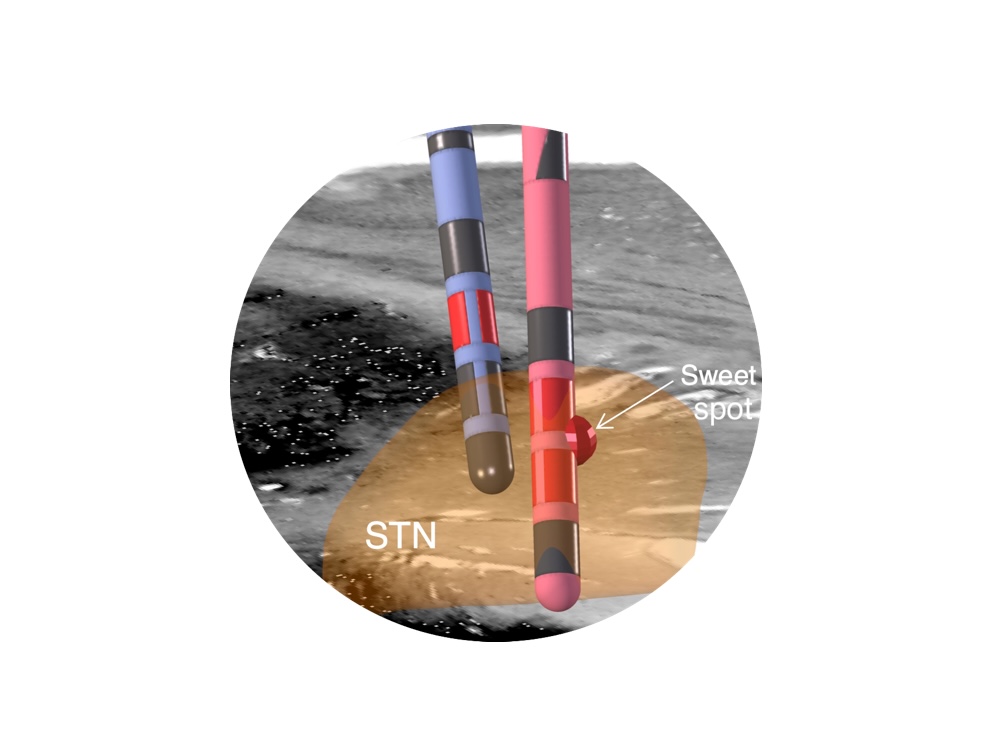
While deep brain stimulation (DBS) has been used clinically for many years, its efficacy is not systematic, wanes with time, and sometimes causes side effects.

Non-Motor Symptoms of Parkinson’s Disease

While the primary focus in Parkinson’s disease research is commonly on motor symptoms and their treatment, both DBS and dopaminergic medication are associated with non-motor side effects.
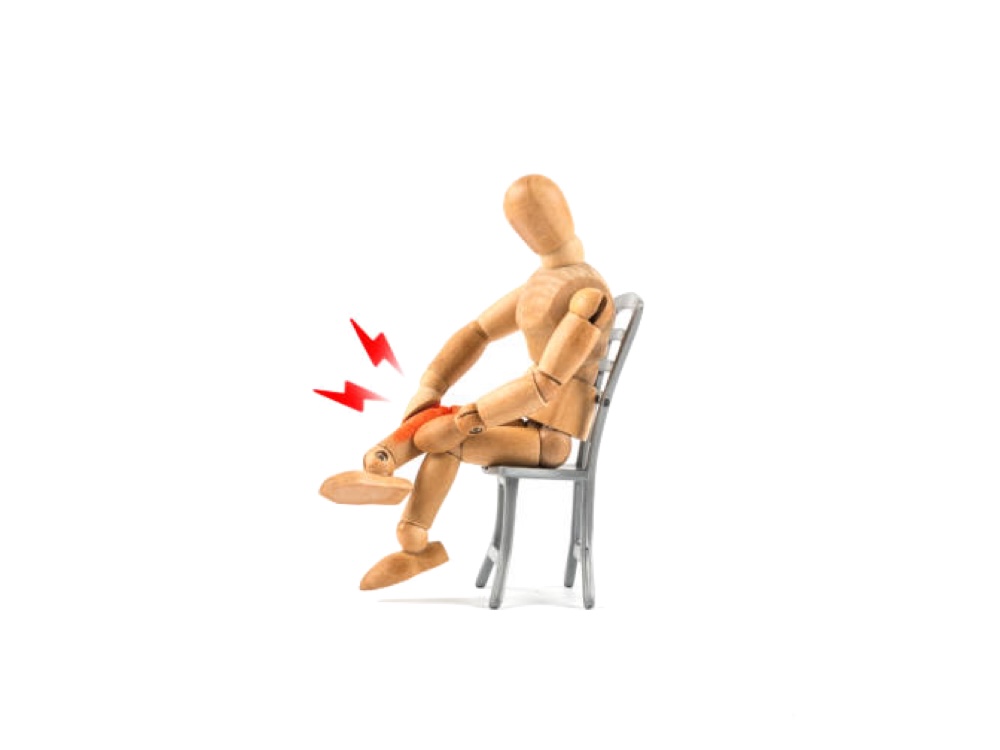
The mechanisms of pain perception are largely misunderstood to this day. Previous and current research hint that Parkinson’s disease might affect such perception. We are looking into it.
Brain Networks
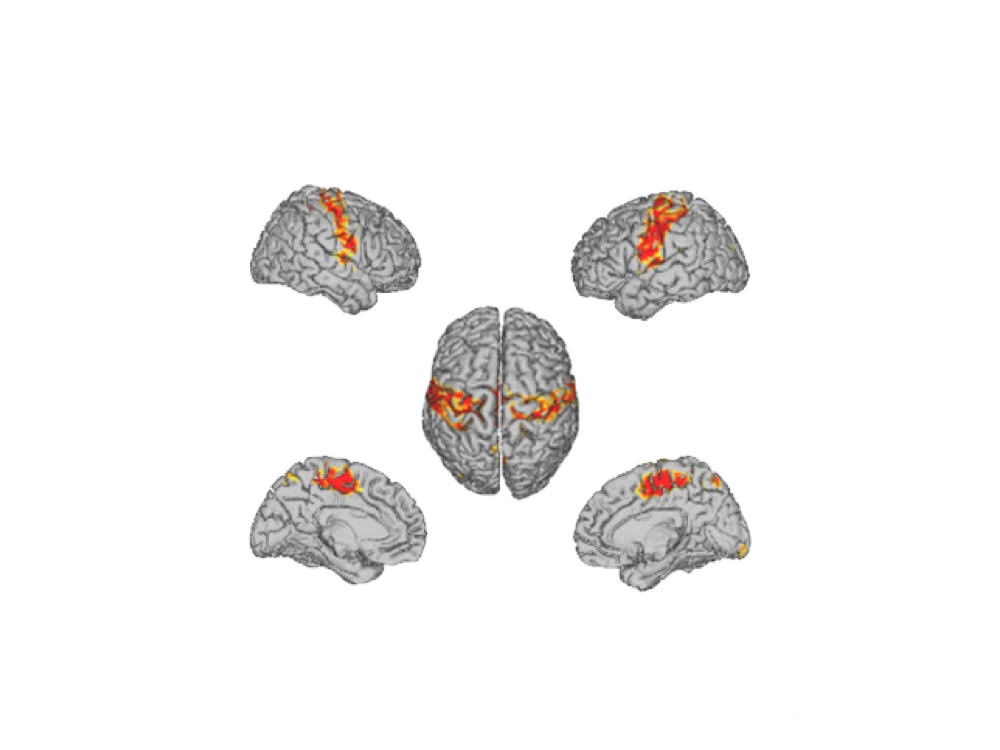
Even when we are inactive, our brain is still running. Its resting-state patterns of activity are very consistent across people and frequencies, yet they are still widely misunderstood.
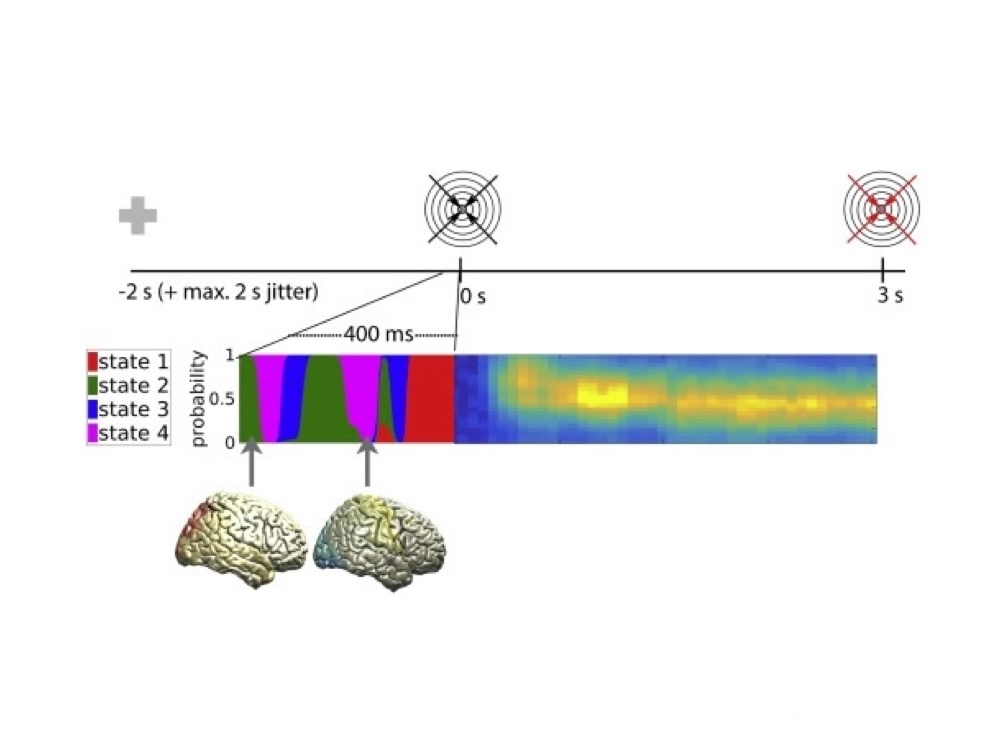
A lot of neurophysiology research investigates the relation between brain networks and task performance. A lot less research relates it to dynamic changes between networks.

Causal influences within the brain reveal its fast dynamics.
Methods

Magnetoencephalography provides a fine look at cortical activity via its magnetic fields.
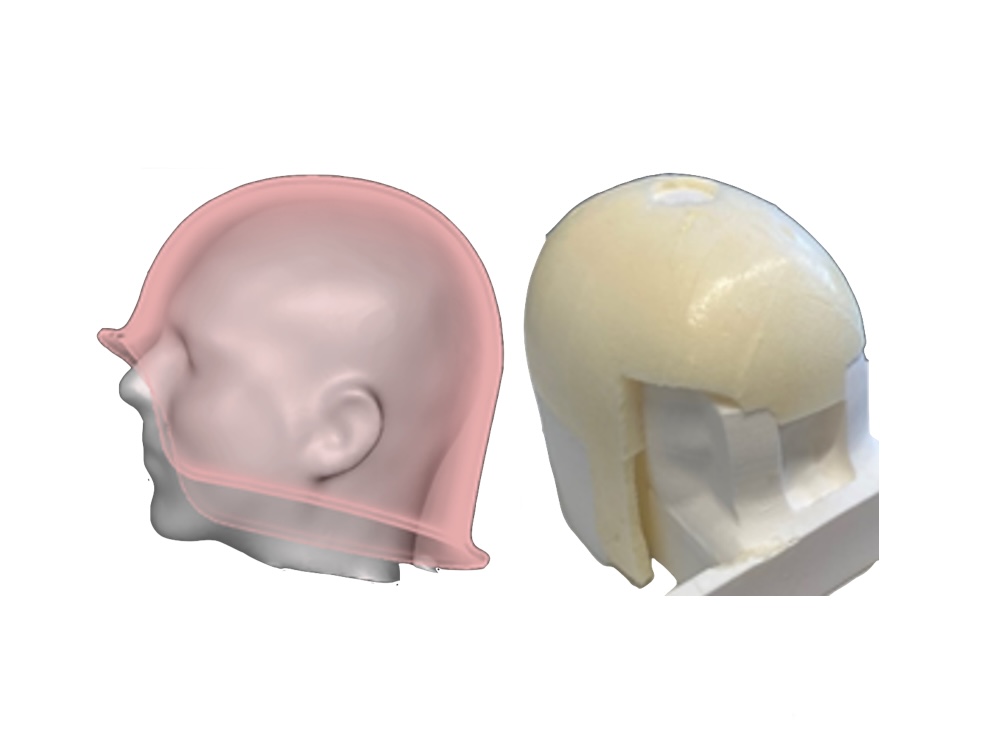
We can greatly improve MEG’s spatial resolution with precise custom-made head-casts.

Brain-implanted electrodes can measure electric fields of local neuron populations.

Having participants perform a strict task repetitively allows us to investigate the brain dynamics ruling it.

Relating brain dynamics to clinical symptoms of participants lets us better understand their pathology.